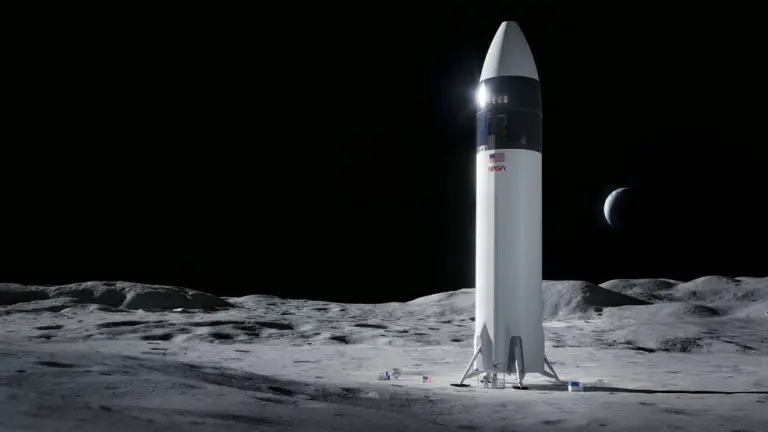
Artemis III NASA’s Big Return to the Moon is the best info of 2026. NASA is getting ready for a very important space mission called Artemis III. This mission will take astronauts back to the Moon for the first time since 1972. It is part of NASA’s Artemis program, which aims to explore the Moon and prepare for future trips to Mars.
Artemis III is special because it will land the first woman and the first person of colour on the Moon. Scientists hope this mission will help people learn more about space and create new technology for future missions.
What Is Artemis III?
NASA created the Artemis program to return humans to the Moon. Artemis III will be the mission where astronauts land on the Moon again.
The crew will travel in the Orion spacecraft. The spacecraft will launch on NASA’s giant rocket called the Space Launch System. After reaching space, the astronauts will travel around the Moon. Then, two astronauts will land on the lunar surface using a special landing system. The other astronauts will stay in orbit around the Moon.
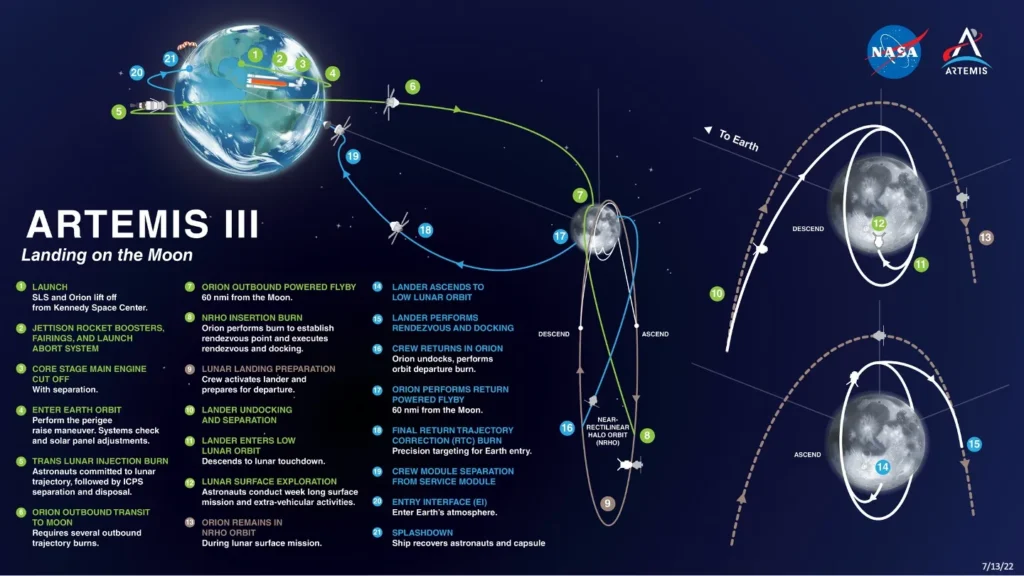
Why This Mission Matters
Artemis III is more than just another Moon landing. NASA wants to build a long-term human presence on the Moon. Scientists believe the Moon can help people prepare for future deep-space missions.
The mission will also study the Moon’s South Pole. This area may contain frozen water. Water is very important because astronauts can use it for drinking, breathing, and making rocket fuel. NASA also hopes the mission will inspire young people to study science, technology, engineering, and math.
New Technology for the Moon
Artemis III will use modern technology that did not exist during the Apollo missions. The astronauts will wear advanced spacesuits that help them move more easily on the Moon.
NASA is also working with SpaceX to develop a Moon landing system. This system will help astronauts safely land on the lunar surface. The mission will test tools, communication systems, and new equipment for future space travel. These technologies may later help humans travel to Mars.
Challenges of Artemis III
Space missions are never easy. Artemis III faces many challenges before launch. Engineers must carefully test the rocket, spacecraft, and landing system to make sure everything is safe. The Moon’s environment is also dangerous. Temperatures can become extremely hot or very cold. Moon dust can damage equipment, and astronauts must stay protected at all times. NASA must also make sure the astronauts have enough food, water, and oxygen during the mission.
The Future After Artemis III
It is only the beginning of NASA’s future Moon plans. NASA wants to build a space station around the Moon called the Lunar Gateway. This station could support future missions and help astronauts stay in space longer.
Scientists also hope future Moon missions will lead to human missions to Mars. By learning how to live and work on the Moon, astronauts can prepare for longer journeys in deep space.
Conclusion
Artemis III is an exciting step for space exploration. NASA’s mission will return humans to the Moon after many years. It will use new technology, explore new areas, and help prepare for future missions to Mars. I hope you will like this article Artemis III NASA’s Big Return to the Moon is the best info of 2026.
The mission shows that human space exploration is still growing. Artemis III may become one of the most important space missions of the modern age.
Frequently Asked Questions
1. What is Artemis III?
Artemis III is a NASA mission designed to send astronauts back to the Moon for the first time since 1972, marking a major step in lunar exploration.
2. Why is Artemis III important?
Building on Artemis III, this mission will help scientists study the Moon and prepare for future Mars missions.
3. Who is building the Moon landing system?
To achieve the thrilling goal of a lunar landing, SpaceX is teaming up with NASA to build the innovative system that will land astronauts on the Moon.
4. Where will Artemis III land on the Moon?
As part of the mission, the astronauts may explore an area near the Moon’s South Pole after landing. The area where scientists believe frozen water exists.
5. What spacecraft will travel to the Moon?
The astronauts will use the Orion spacecraft, which will be launched by the Space Launch System.